

If your business is on a commercial or industrial tariff, your monthly bill has two big parts. One is the energy you use, in kWh. The other is your maximum demand: the highest power you drew from the grid during the peak period, in kW. You pay for that one peak for the whole month.
That means a single busy afternoon can set your bill. The good news is that maximum demand is one of the easiest costs to bring down.
What peak shaving does
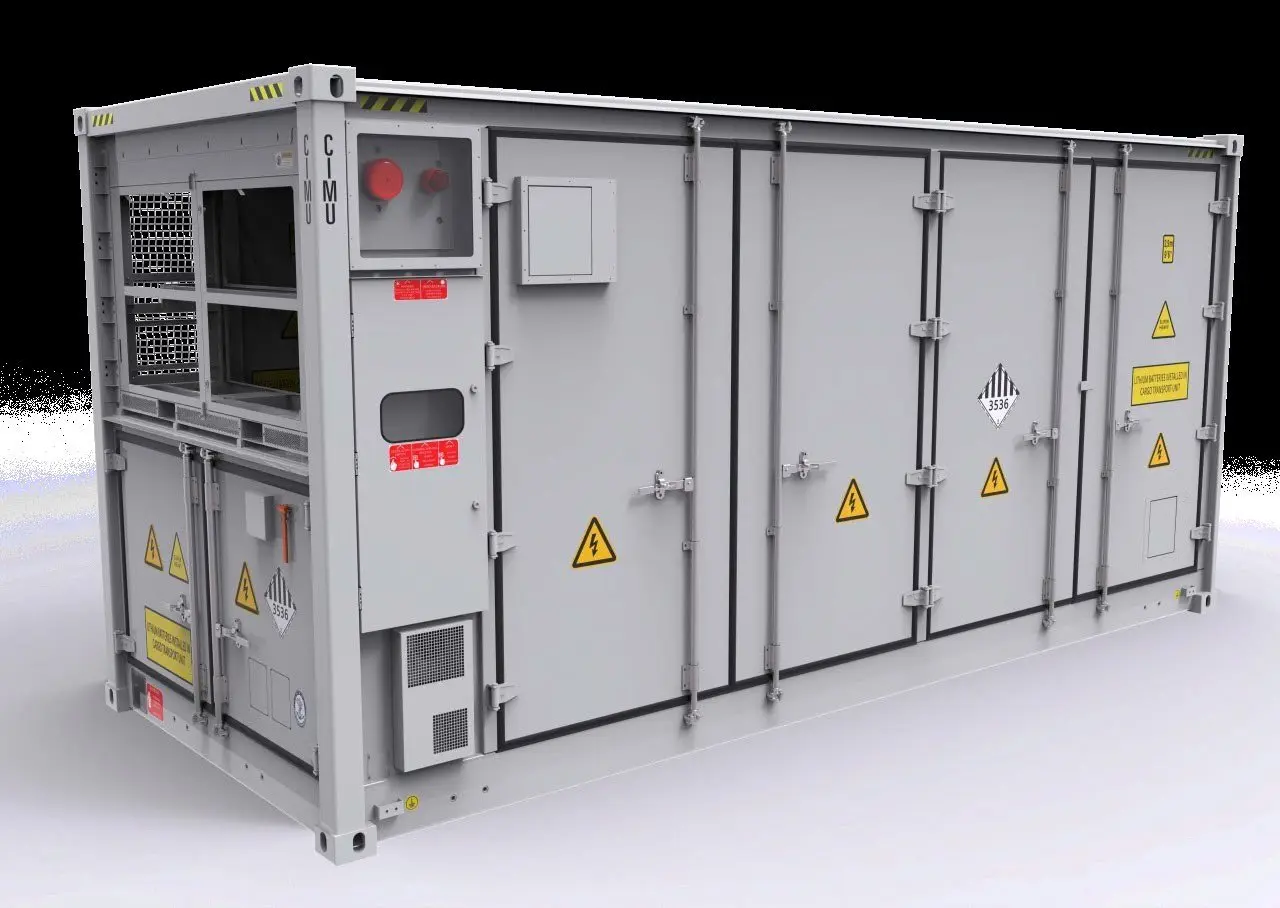
A battery energy storage system (BESS) charges when demand is low, usually overnight. During your peak, it discharges and supplies part of the load. The grid only sees what is left, so your recorded maximum demand drops.
You use the same amount of power on site. You just stop buying the most expensive part of it from the grid.
A worked example
Here is an illustrative case for a medium-voltage time-of-use customer:
| Item | Value |
|---|---|
| Current maximum demand | 600 kW |
| Peak reduced by the battery | 200 kW |
| New maximum demand | 400 kW |
| Maximum demand charge | RM97.06 per kW per month |
| Gross saving per month | 200 × RM97.06 = RM19,412 |
| Gross saving per year | RM232,944 |
The rate above combines a capacity charge of RM30.19 and a network charge of RM66.87 per kW. Your own tariff may differ, so treat this as a starting point. You can try your own numbers with the estimator on our Energy & ESG page.
Gross savings exclude the energy used to charge the battery, conversion losses and the cost of the system. A proper study accounts for all three.
What a good study looks at
- Twelve months of load data. We need to see how often you peak, for how long and how high.
- Your tariff. The rate and the peak period decide how much each kW is worth.
- Battery sizing. Power (kW) to cut the peak and energy (kWh) to hold it for the full peak window.
- Safety and site. Space, fire protection and the Energy Commission's BESS safety guidelines.
- The commercial model. Buy it, lease it, or pay a monthly fee under Energy-as-a-Service.
Is it right for you?
Peak shaving pays best when your load has sharp, predictable peaks: factories with shift start-ups, cold stores, hotels and hospitals with heavy cooling loads, or sites with large motors. If your demand is flat all day, the case is weaker, and improving your chiller plant may be the better first step.
Want a second opinion on your bill? Send us your last 12 months of bills and we'll tell you honestly whether a battery makes sense.